
When Winter Strikes: How Extreme Cold Affects Metal Infrastructure and What You Can Do About It
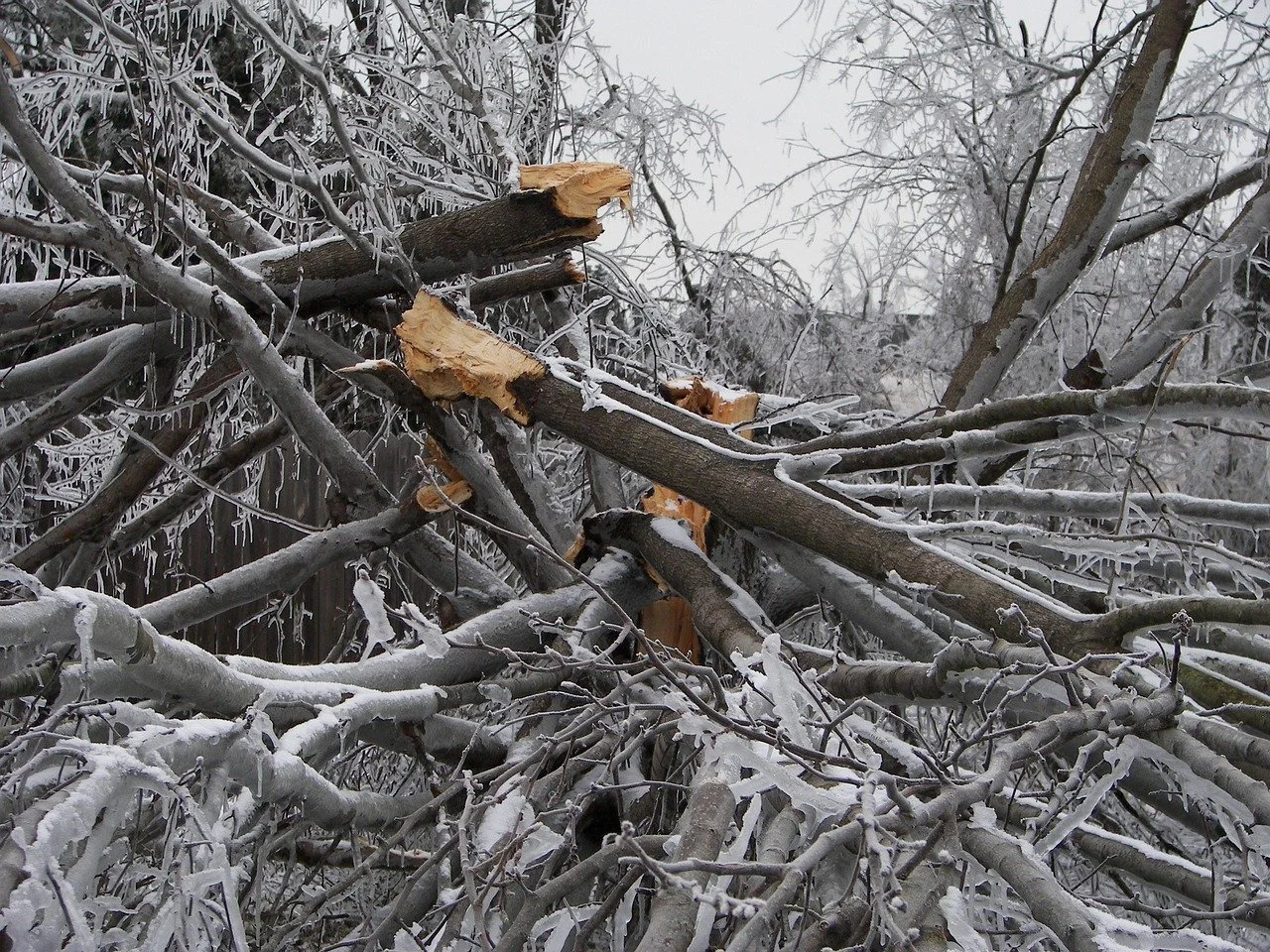
Winter Storm Fern recently brought record-breaking snow, dangerous ice accumulation, and extreme cold to over half the United States. As communities dig out and assess the damage, manufacturers and facility managers face a critical question: will your metal components survive the next extreme weather event?
Winter Storm Fern: A Wake-Up Call for Infrastructure
Winter Storm Fern impacted 26 states from New Mexico to New England, dumping up to two feet of snow across vast regions while coating the South in dangerous ice. The storm caused over one million power outages at its peak, with ice accumulations toppling trees and power lines across Tennessee, Mississippi, Louisiana, and beyond. In some areas, ice buildup topped out at one inch thick—enough weight to snap tree branches and bring down electrical infrastructure.
Baltimore recorded 11.3 inches of snow, its heaviest snowfall in a decade. Philadelphia saw 9.3 inches. Toronto broke an 80-year record with 22 inches. But perhaps most telling were the failures in the South, where ice accumulation combined with extreme cold created conditions that exposed vulnerabilities in metal infrastructure not designed for such temperatures.
The Hidden Danger: When Ductile Metals Turn Brittle
What many don't realize is that extreme cold fundamentally changes how metals behave. According to the Cybersecurity and Infrastructure Security Agency (CISA), damaged concrete and steel supports, foundations, and pipelines can result from the expansion and contraction of materials during temperature extremes. Ice and freezing temperatures can cause frozen electrical equipment, cracked pipelines from pressure buildup, and structural collapse under the weight of ice accumulation.
The most critical issue is the ductile-to-brittle transition temperature (DBTT). Many steel alloys that bend and deform safely at room temperature become brittle when temperatures drop below a certain threshold. Instead of bending under stress, they fracture—often catastrophically and without warning.
This isn't theoretical. The 2021 Texas freeze demonstrated how unprepared infrastructure can fail when exposed pipes and equipment encounter temperatures they weren't designed to handle. Two-thirds of the population lost power, and water service was significantly disrupted.
How Cold Weather Attacks Metal Infrastructure
Brittleness and Impact Resistance
At low temperatures, atomic vibrations slow down, reducing a metal's ability to deform plastically. What would normally bend now shatters. This affects everything from bolts and fasteners to structural supports and pressure vessels. Materials that passed inspection at 70°F may fail catastrophically at 0°F.
Thermal Contraction
Metals contract as they cool, creating stress at joints, welds, and connections. In complex assemblies, different materials contract at different rates, potentially causing misalignment, seal failures, and crack initiation. When temperatures then rise, the expansion-contraction cycle can propagate existing cracks.
Ice Loading
Ice accumulation can increase the weight on structures by 30 times or more. A half-inch of ice can add 500 pounds of extra weight to a single tree branch. For metal structures like transmission towers, antenna masts, and building supports, this additional loading may exceed design specifications—especially if the metal has already become embrittled by the cold.
Pipeline Integrity
CISA warns that extreme cold can crack water, oil, and gas pipelines. Frozen substances cause pressure buildup and expansion damage, while soil shifts at the base of supporting structures can result in catastrophic pressure loss or rupture. For facilities with exposed piping, every cold snap is a potential failure event.
Not All Metals Are Created Equal in the Cold
Material selection makes all the difference. While many carbon steels become brittle at low temperatures, certain alloys maintain their toughness:
- Austenitic stainless steels retain ductility even at extremely low temperatures due to their face-centered cubic crystal structure and high nickel content
- Aluminum alloys generally maintain good low-temperature properties
- Copper and nickel alloys resist embrittlement in cold conditions
- Quenched and tempered steels (like ASTM A514 QT-100) can operate safely down to -46°C when properly specified
For critical applications, ASTM Specification A 320 bolting (particularly Grade L7) is specifically recommended for low-temperature service. Using standard bolting in extreme cold environments is a recipe for connector failures.
How MSI Lab Helps Prevent Cold Weather Failures
At MSI Lab, we've seen the aftermath of winter-related failures across aerospace, automotive, energy, and manufacturing sectors. Our A2LA ISO 17025 accredited testing capabilities help you understand exactly how your materials will perform when temperatures drop.
Charpy Impact Testing: The Gold Standard for Low-Temperature Performance
The Charpy V-notch impact test is the industry standard for determining a material's toughness at various temperatures. We measure the energy absorbed during fracture, which reveals the ductile-to-brittle transition temperature. This relatively quick and cost-effective test confirms whether your steel will withstand the weather conditions it will face in service.
For facilities in regions affected by storms like Winter Storm Fern, knowing your materials' DBTT isn't optional—it's essential for safety and operational continuity.
Chemical Analysis: Verifying Low-Temperature Grades
Many failures occur because the wrong material was supplied or installed. Our chemical analysis services verify that you actually received the low-temperature grade you specified. Higher nickel content, proper carbon levels, and controlled impurities all affect cold-weather performance. We can confirm your material chemistry meets ASTM specifications for cryogenic or extreme cold applications.
Microstructure Analysis: Seeing What's Inside
The microscopic structure of steel determines its behavior at low temperatures. Through metallographic examination, we can identify grain size, phase distributions, and heat treatment effects that influence brittleness. For failed components, we can determine whether improper heat treatment, incorrect material selection, or manufacturing defects contributed to the failure.
Failure Analysis: Learning from What Went Wrong
When winter storms cause component failures, understanding why is critical for preventing repeat incidents. Our metallurgical failure analysis services examine fracture surfaces, identify failure modes (brittle vs. ductile), and determine root causes. Was it material selection? Design? Manufacturing? Installation? We provide the answers you need to make informed decisions.
The Value of Local Expertise and Fast Turnaround
When infrastructure fails during a winter storm, time matters. As a local Dayton laboratory, MSI Lab provides rapid response testing without the delays of shipping samples across the country. Our quick turnaround times mean you can make critical decisions about repairs, replacements, and future material selection while the failure is still fresh and stakeholders are engaged.
Our GE S-400 certification—rare among Midwest laboratories—demonstrates our capability to meet the most stringent aerospace and defense material testing requirements. When you need confidence in your results, especially for critical safety applications, certification matters.
Proactive Testing: The Best Defense Against Winter Failures
The time to test your materials isn't after they fail—it's before they're put into service. Whether you're:
- Designing new equipment for cold-climate operation
- Evaluating existing infrastructure for winter resilience
- Qualifying new suppliers or material lots
- Investigating near-misses or minor failures before they become major ones
- Selecting materials for outdoor installations in variable climates
MSI Lab can provide the testing data you need to make informed decisions. Our comprehensive testing services include tensile testing, hardness testing, chemical analysis, and microstructure evaluation—all the tools necessary to ensure your materials will perform when Mother Nature turns hostile.
Take Action Before the Next Storm
Winter Storm Fern won't be the last extreme weather event to test our infrastructure. The question is: will your metal components pass the test?
At MSI Lab, we're here to help you answer that question with confidence. Our metallurgical testing services provide the data you need to:
- Verify that your materials meet low-temperature specifications
- Identify vulnerable components before they fail
- Select appropriate materials for extreme weather exposure
- Investigate failures and prevent recurrence
- Ensure compliance with industry standards for cold-climate applications
Don't wait for the next storm to reveal weaknesses in your infrastructure. Contact MSI Lab today to discuss how our testing capabilities can help you build resilience into your operations.
About MSI Lab
Metallurgical Solutions Inc. (MSI Lab) is an A2LA ISO 17025 accredited and GE S-400 certified metallurgical testing laboratory located in Dayton, Ohio. As a Service-Disabled Veteran-Owned Small Business, we specialize in chemical analysis, mechanical testing, and microstructure analysis for aerospace, defense, automotive, steel mills, foundries, and heat treating industries. Our local expertise and rapid turnaround times make us the trusted partner for critical material testing throughout the Midwest and beyond.
Contact MSI Lab:
331 E. Helena Street
Dayton, OH 45404
Phone: (937) 813-4878
Email: info@msilab.com
Website: www.msilab.com