
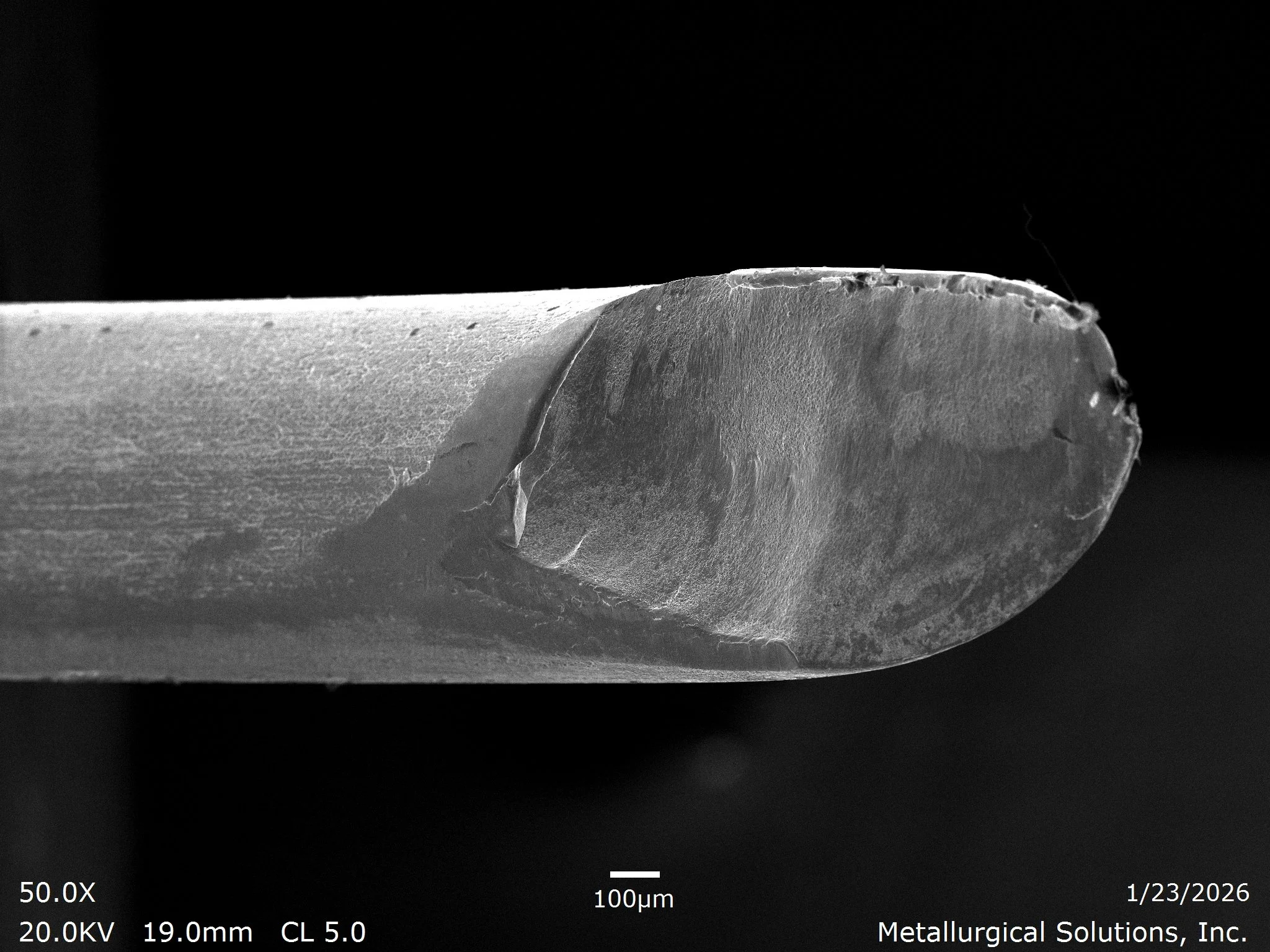
Surgical Tool Failure Analysis
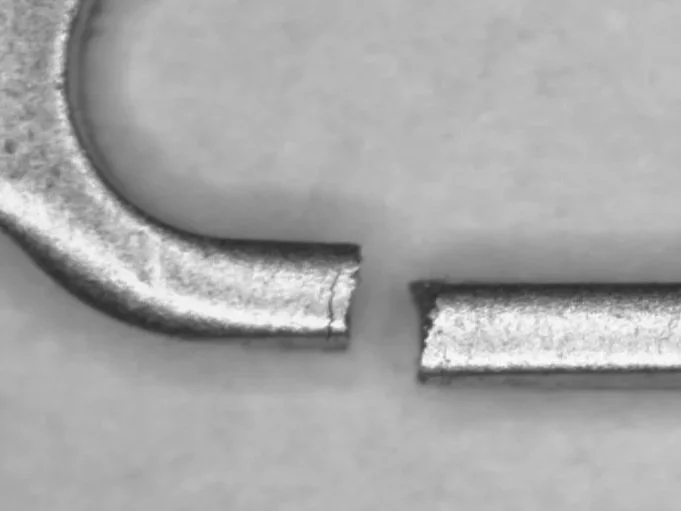
Surgical Tool Failure Analysis
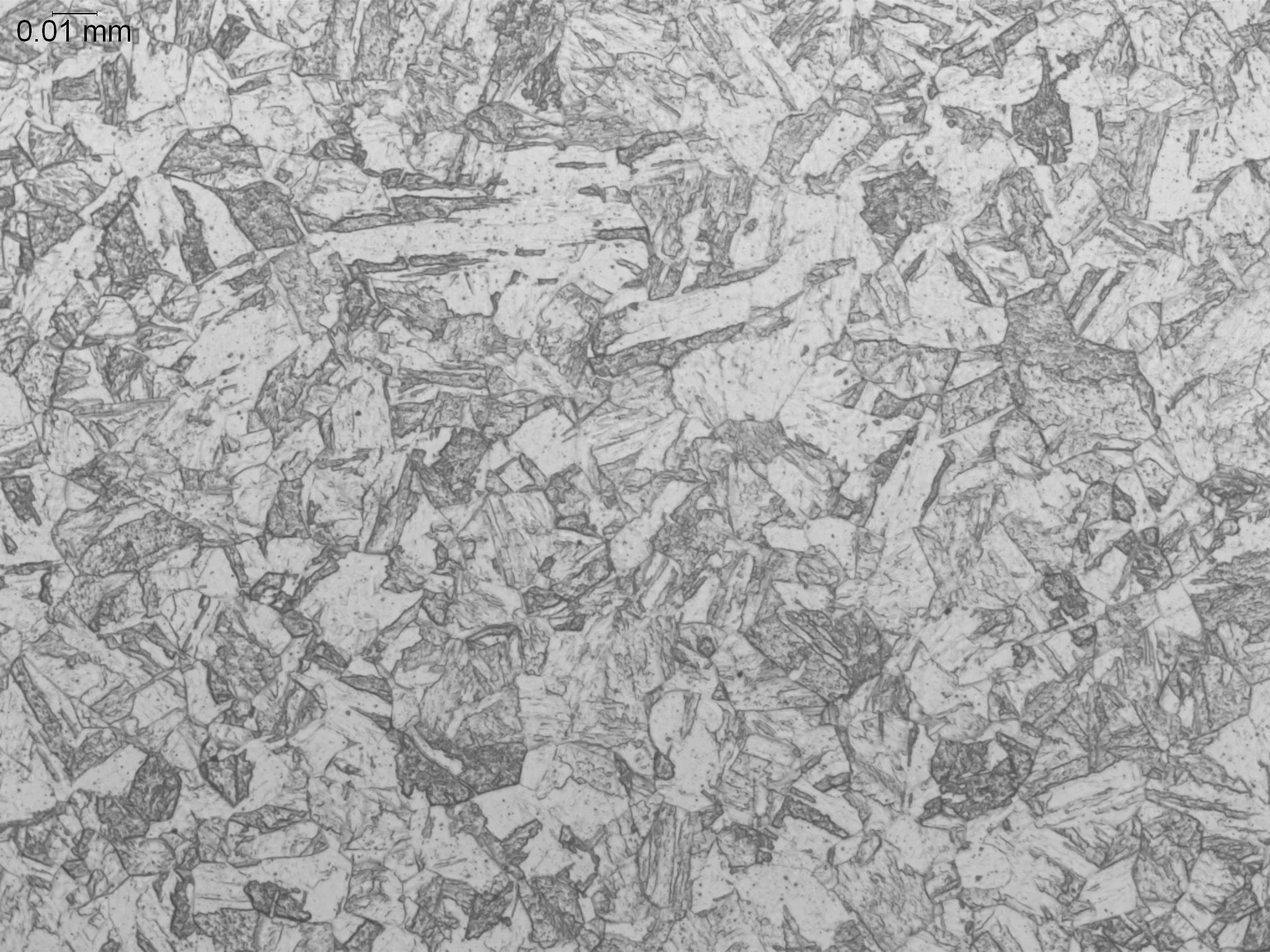
Microstructure and Process Verification
Medical Device Material Corrosion Validation
ISO 17025 Accredited Implant Analysis and Surgical Implement Forensics.
Medical device manufacturing demands absolute material purity and zero surface defects. MSI Lab supports surgical instrument designers, biomedical manufacturers, and orthopedic implant developers with rigorous metallurgical testing and forensic engineering. Backed by strict A2LA ISO/IEC 17025 Accreditation, we deliver the definitive independent verification reports you need to pass strict regulatory quality audits, validate special processes, and resolve critical performance failure investigations.
Core Testing and Analytical Capabilities:
Stress Corrosion Cracking (SCC) Mapping: Advanced microstructural evaluation to identify, measure, and track stress-cracking propagation paths in stainless steel medical tools and components exposed to aggressive sanitization cycles or physiological environments.
Implant Integrity & Metallography: High-magnification microstructural cross-sections to evaluate grain boundary arrays, core microstructures, and verify raw material cleanliness levels.
Forensic Failure Analysis: Comprehensive root-cause investigation of fractured surgical instruments, broken implements, and failed biomedical hardware to determine fatigue, mechanical overload, or material defect origins.
Common Applications and Specifications Met:
ASTM F138 (Surgical Implant Stainless Steel) and ASTM F136 (Ti-6Al-4V ELI) raw material verification.
Root-cause determination of fractured orthopedic fixation plates, screws, and endodontic micro-instruments.
Independent, certified laboratory validation documentation to satisfy FDA quality system mandates and international biomedical quality compliance audits.